
The call for submissions closes next Tuesday (January 31st) for a special issue of the James Joyce Quarterly entitled “Encyclopedic Joyce”.
Author: modernistudies
This year’s DH Lawrence, London Calling, will be held in – you guessed in! – London, on the 3rd to the 8th of July. The new call for papers closes on February 28.
The first London Modernism Seminar of 2017 will take place on Saturday 4 February, 11-1pm in Room 349 at Senate House. The theme is Speculative Modernism and we are very pleased to welcome as speakers Kate Macdonald (University of Reading) and Elizabeth English (Cardiff Metropolitan University).
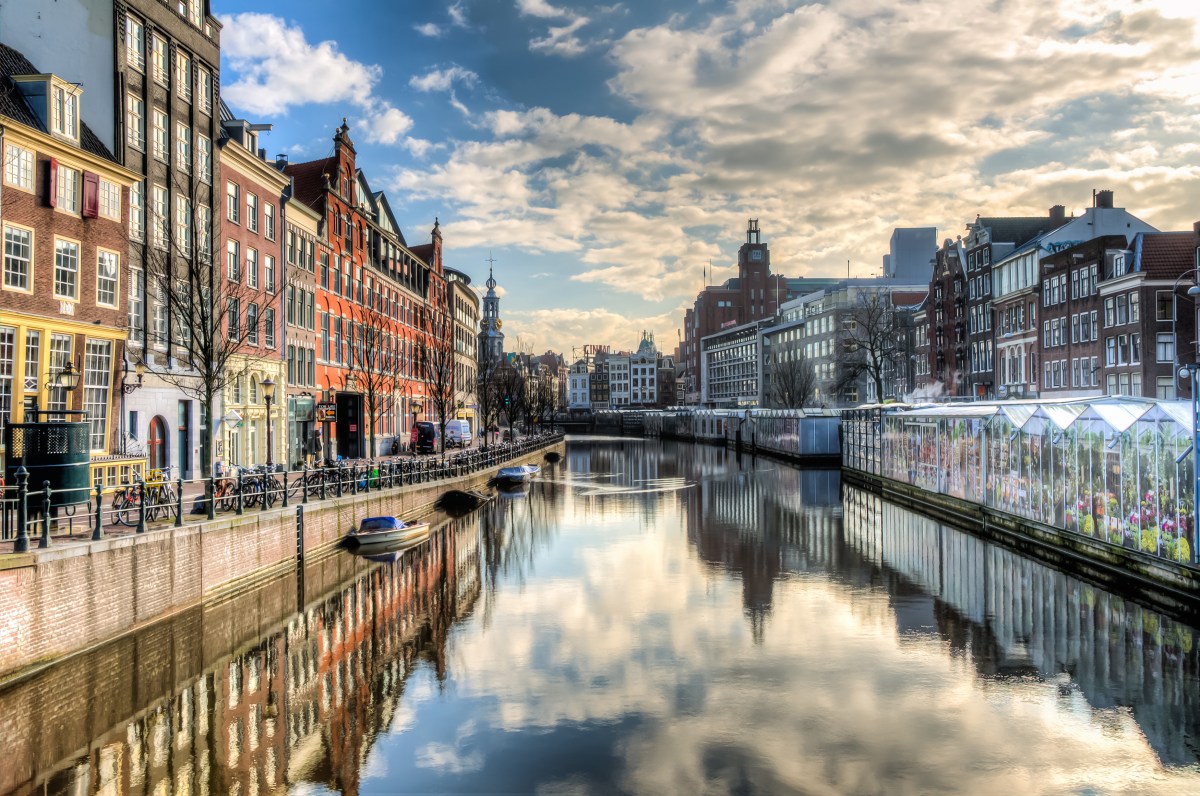
With the call for papers extended, there’s still time to find a panel for this year’s Modernist Studies Association conference, to be held August 10-13 in Amsterdam.
Not sure who to approach? Try some of the suggestions below.
You are all warmly invited to a lecture to hear distinguished literary critic Professor Derek Attridge speak on literature and contemporary modernism at our public lecture series next Weds at 6.30, on the topic of “Contemporary Modernism and the Practice of Close Reading”.
The call for papers is now live for Remaking the New, to be held at Queen Mary, University of London on the 13-14 July, 2017.
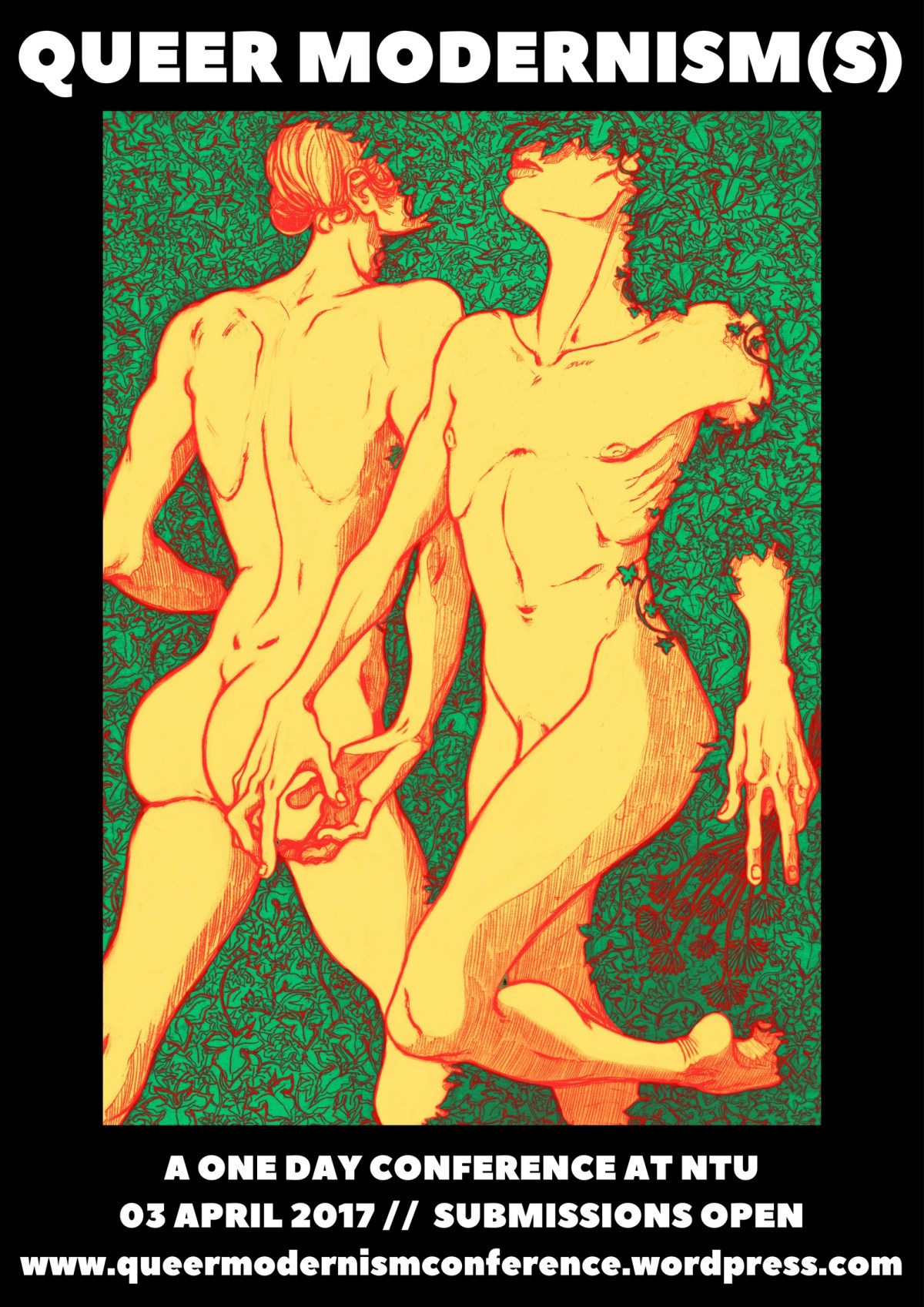
We’re excited to announce that the CfP is now open for the Queer Modernism(s) conference. The conference will be held at Nottingham Trent University on Monday 3 April, 2017.
This is a call for submissions to a proposed panel for MSA 2017, on the topic of “Modernism and/as Refuge”.
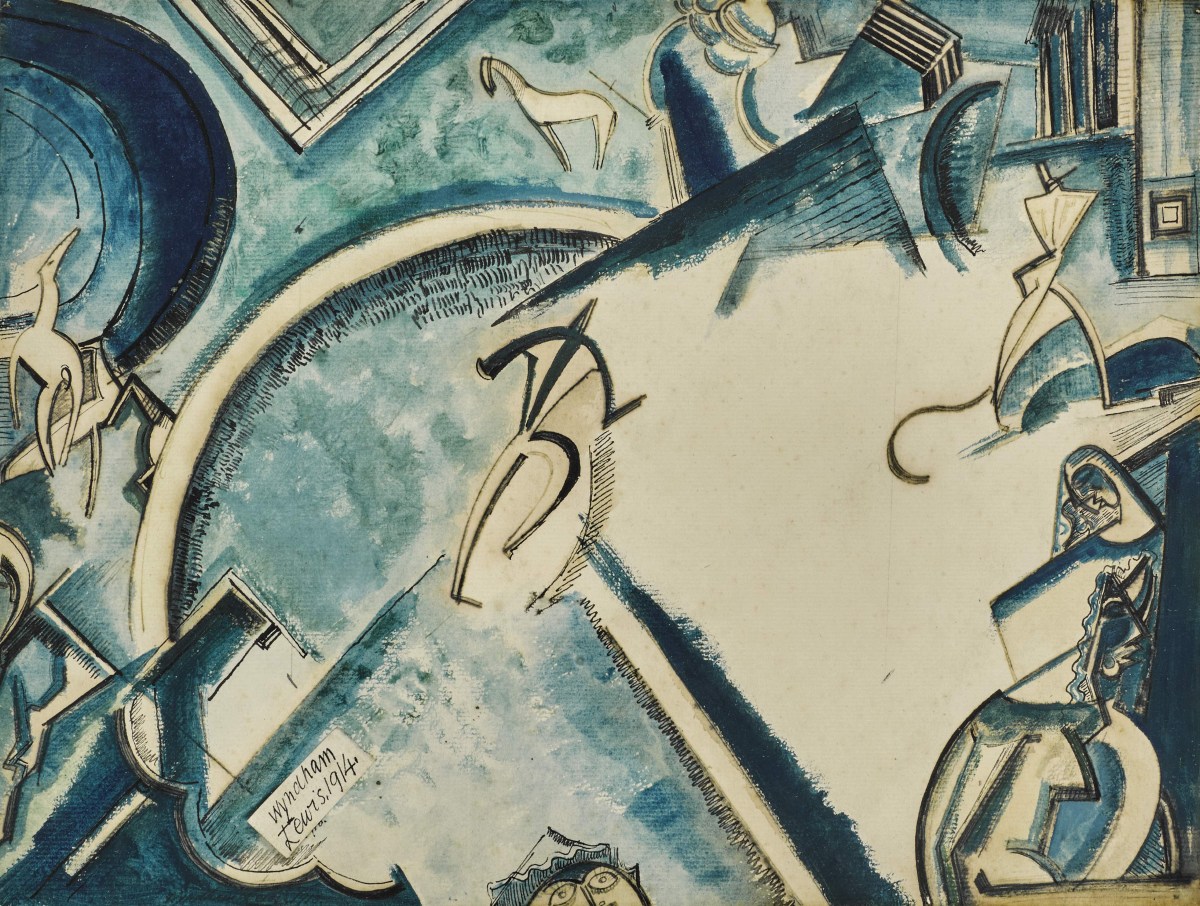
The call for papers is now open for “Benign Fiesta: Wyndham Lewis’s Texts, Contexts, and Aesthetics”, to be held at the University of Nottingham from the 11-13 September, 2017.
This is a CFP for a panel proposal to the Modernist Studies Association (MSA) conference in Amsterdam, August 10-13, 2017. Please send abstracts to Michelle Rada at the e-mail address indicated below.
About the proposed panel
Modernism’s preoccupation with form is no secret. While modernist texts are often characterized by their formal opacity, density, and increasing demands on readerly attention, modernist design and architecture tends toward simplicity of form, functionality, sleekness, and transparency. Examining these two distinct and often mutually exclusive versions of form alongside one another sets up an encounter not just between two disciplines or discourses, but between alternative models for imagining the subject’s encounter with an aesthetic object—be it through reading, viewing, or inhabiting. This panel will explore the interpretative pathways opened up by situating a discussion of modernist literary form alongside modern design in its various tenets and iterations.
What theoretical, historical, and discursive linkages and/or rifts emerge when we examine modernist texts with design and architecture? What are the relationships between textual versions of interiority and the structures or interiors subjects inhabit, frequent, and transgress? How might we think of aesthetic experience in the modernist novel through theories of spatial design and setting, instead of paying heed only to its formal innovations in temporality? Can modern design’s careful attention to the surface tell us something about how to read textual surfaces? Does the novel as a technology for storing, converting, and transmitting information undergo significant changes alongside technological advancements and their uses for/as aesthetic practices and objects? Building on recent work by authors such as Anne Cheng, Caroline Levine, and David Alworth, this panel seeks to enter conversations on “new” formalism and forms of reading by asking how, in modernist studies, we might think literature and design together.
Among other topics, proposals might address: the role of emerging media and technology across design practices and literary works; the relationship between free indirect discourse, stream of consciousness, and different ways of understanding interiority in modernist texts and the interiors, spaces, settings, and sites subjects inhabit; how new models for reading can engage with spatial concerns in literary form; how specific works or authors converse with aesthetic practices and design principles; the ways that subjective experience is affectively, phenomenologically, or cognitively theorized by modern authors, designers, and architects.
How to submit
Please send abstracts of 200—300 words along with a brief bio to michelle_rada@brown.edu no later than January 10th, 2017.
 British Association for Modernist Studies - Website Designed and Developed by Callum Leith